
Common texture mistakes even experienced artists make
Texture mistakes are not limited to beginners: even experienced artists can make surfaces too uniform, too noisy, or disconnected from a subject’s form and lighting. In visual art, texture is…
Texture mistakes are not limited to beginners: even experienced artists can make surfaces too uniform, too noisy, or disconnected from a subject’s form and lighting. In visual art, texture is…

For beginners, the element that anchors a piece of writing is often its thesis statement: a concise expression of the central claim or purpose that guides what the text includes…
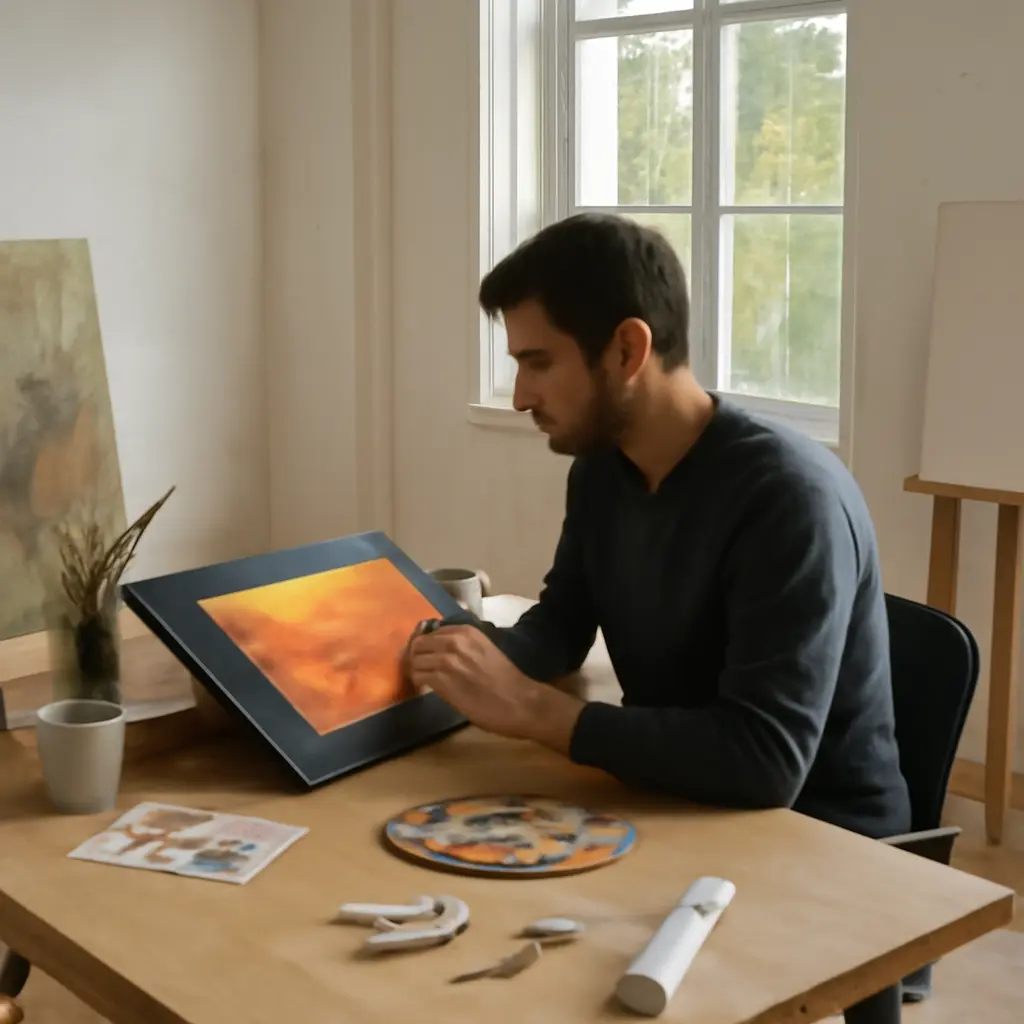
Digital painting’s warmth factor is the way color temperature, value, edges, and light work together to make an image feel inviting, intimate, or sunlit rather than merely orange. It matters…
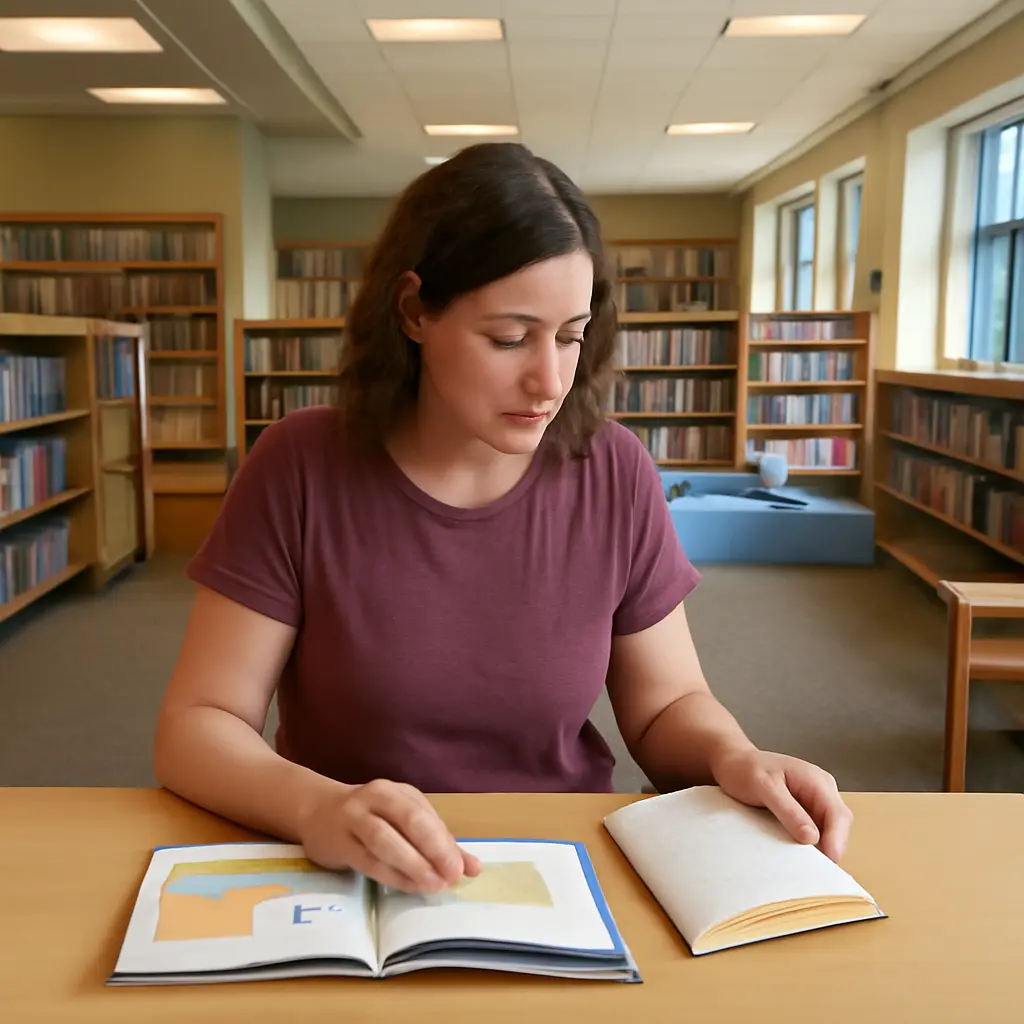
Picture-book illustration and chapter-book illustration both help tell a story, but they do different amounts of the storytelling. Picture books typically pair concise text with images that carry plot, mood,…
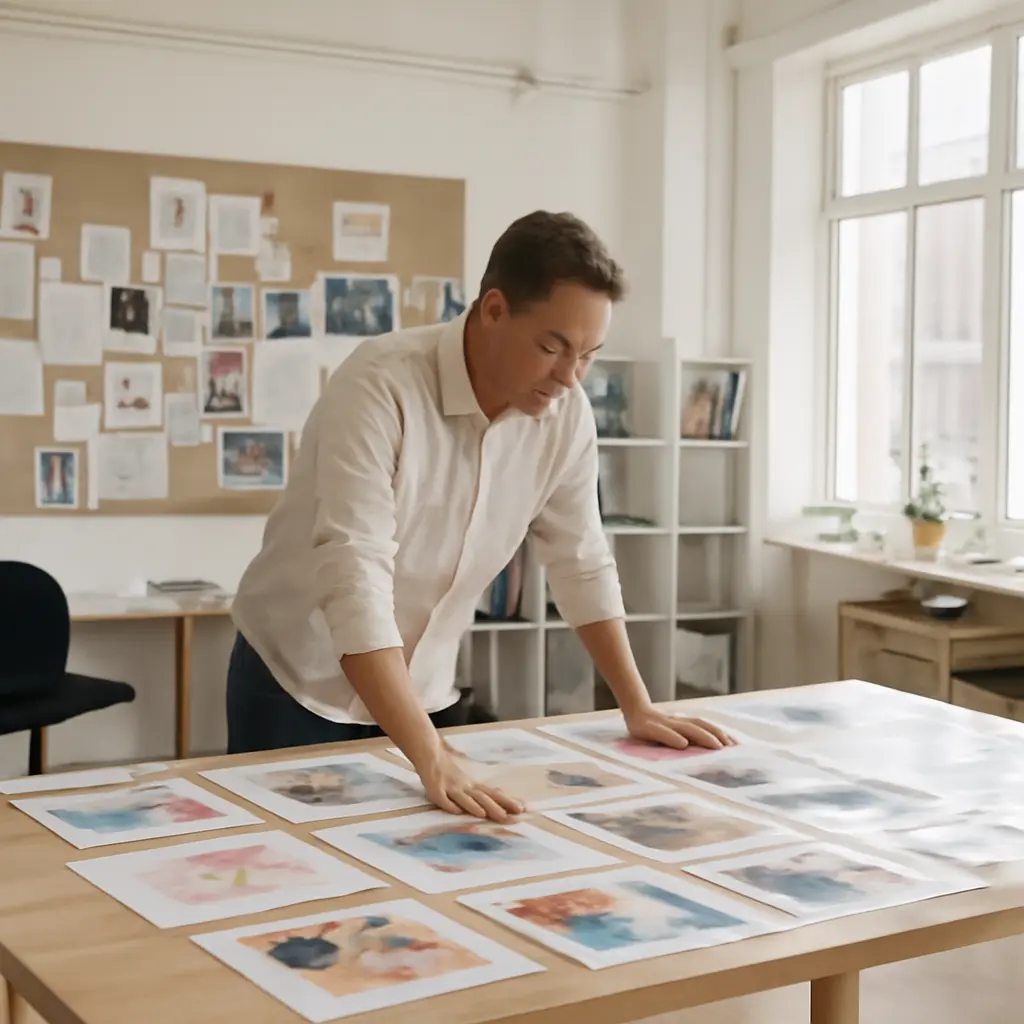
Editorial art direction is the practice of shaping how an article’s ideas are seen, felt, and understood through images, illustration, photography, and design. What art directors want from visual storytelling…

Artists have long used a practical secret of focus: give attention a clear target, limit competing demands, and return to the work through deliberate practice. In modern psychology, this overlaps…

Hand-drawn and digital art are ways of making images, not measures of artistic quality: hand-drawn art is created through physical marks on paper or another surface, while digital art is…

Sketching daily changed my practice by turning drawing from an occasional test of talent into a repeatable way to observe, experiment, and learn. A short, regular session gave me more…
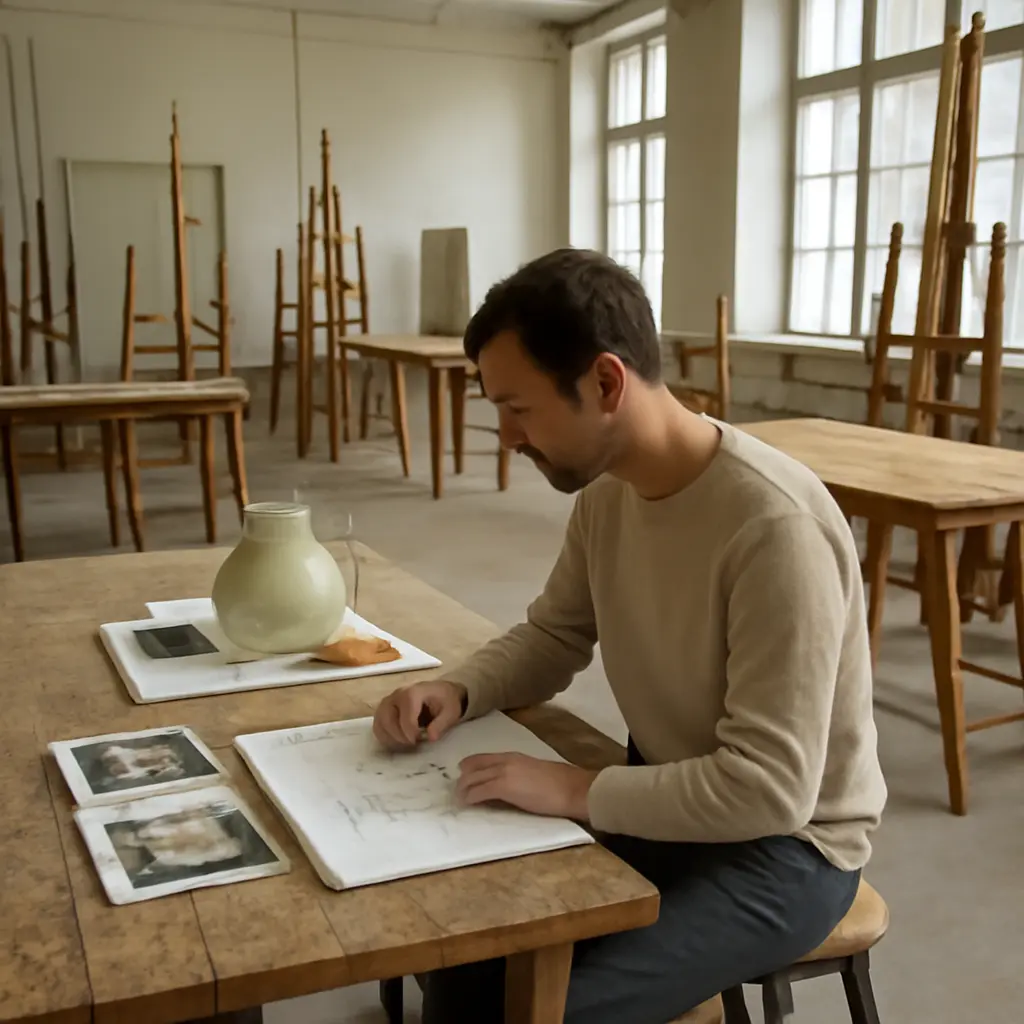
Imagine better, draw faster: the artist’s shortcut nobody talks about is visual reference research. Instead of inventing every object, pose, and lighting setup from scratch, artists study photographs, real-world examples,…

Drawing for relaxation is a simple practice with measurable potential: focusing on lines, shapes, and color can encourage present-moment attention, provide a break from rumination, and ease short-term stress. Research…