
Abstract thinking expands what your hand can actually create
Abstract thinking is the ability to work with ideas, patterns, and possibilities that are not limited to what is immediately visible or tangible. In creative work, it helps people imagine…
Abstract thinking is the ability to work with ideas, patterns, and possibilities that are not limited to what is immediately visible or tangible. In creative work, it helps people imagine…
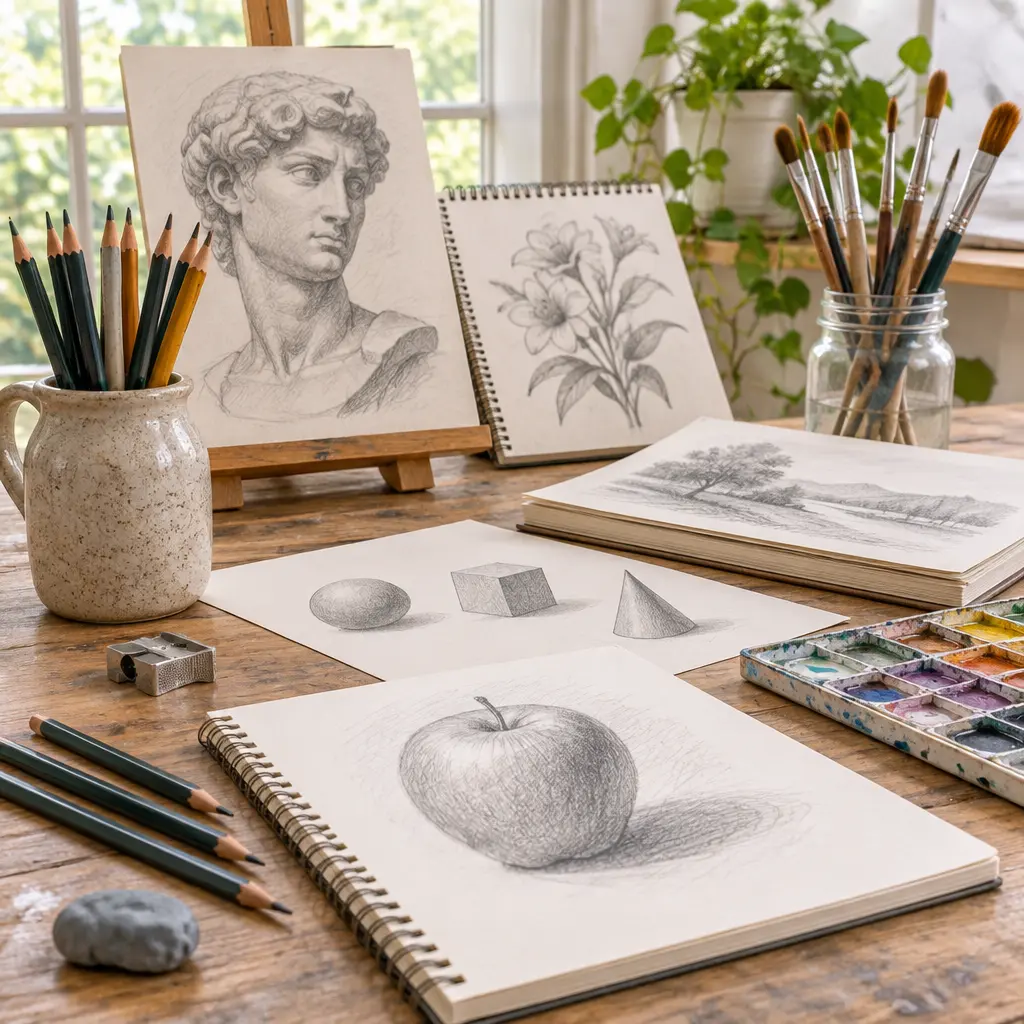
Learning to draw later in life means developing drawing skills in adulthood or older age, whether as a beginner or after years away from art. It can be a rewarding…

Construction lines and flowing contours are two complementary ways to draw a subject: construction lines simplify it into basic forms, while contours describe its visible edges and surface. Neither method…
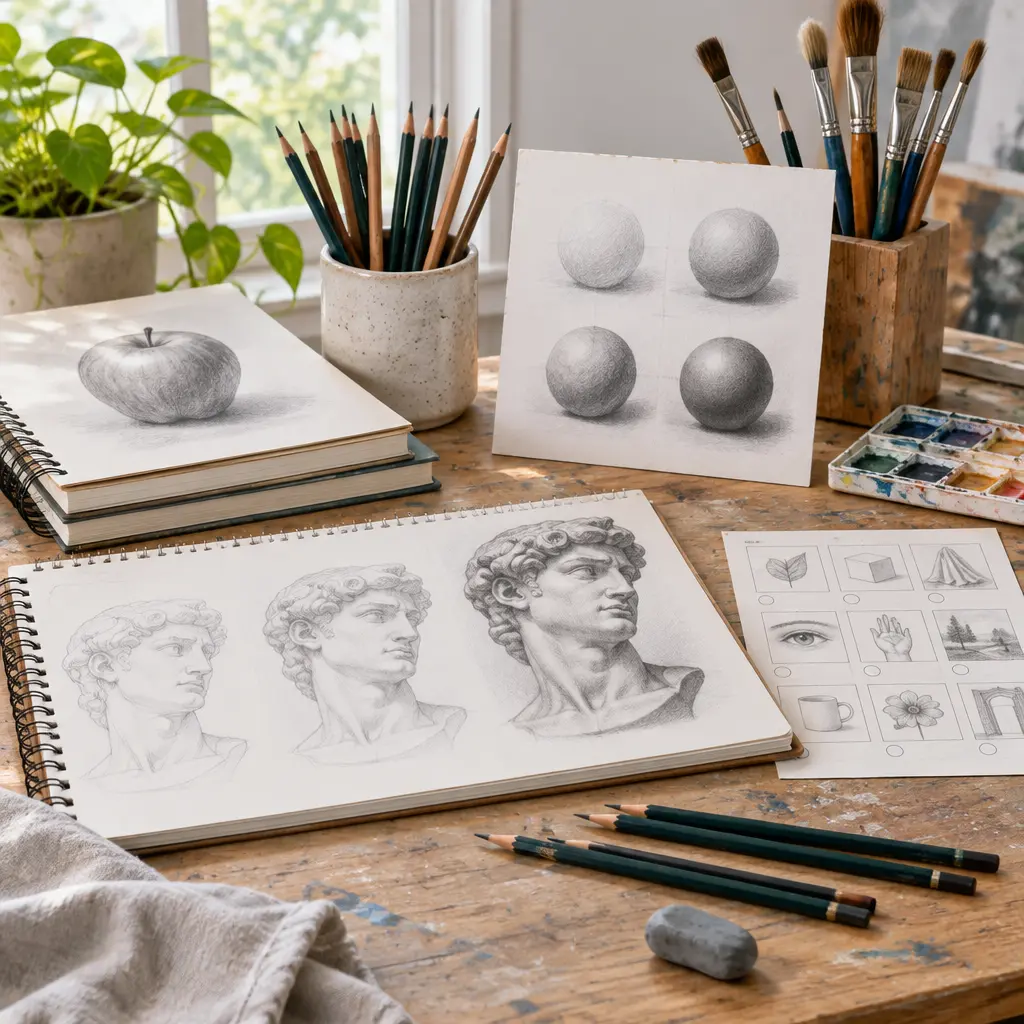
Setting realistic drawing goals means choosing specific, manageable skills to practice and reviewing progress with evidence rather than relying on whether a drawing feels “good.” A useful plan balances time,…

Sketch practice is the regular, low-stakes act of drawing to build observation, control, and visual problem-solving skills. It often falters before it becomes a habit—not because someone lacks talent, but…
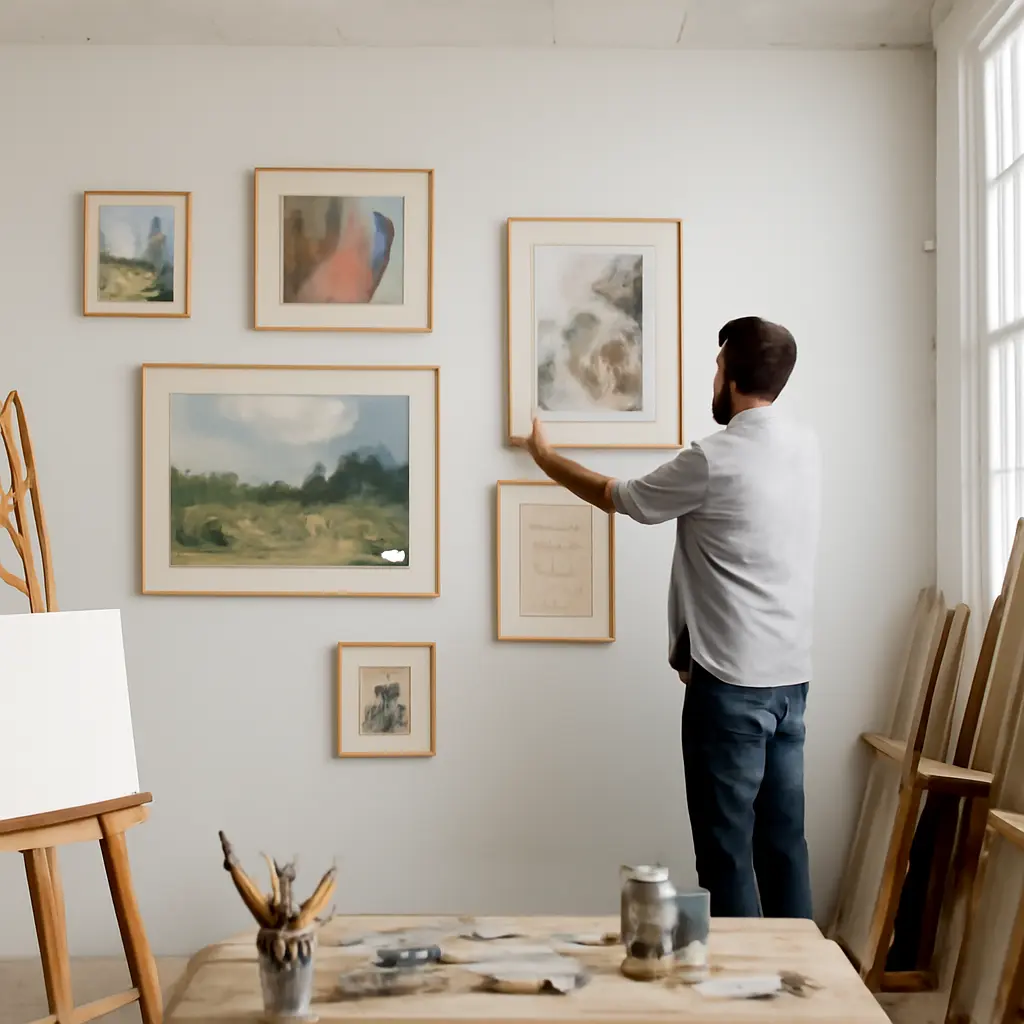
A working artist’s portfolio is a deliberately selected presentation of work that helps a particular audience understand the artist’s abilities, point of view, and professional fit. Building one is not…
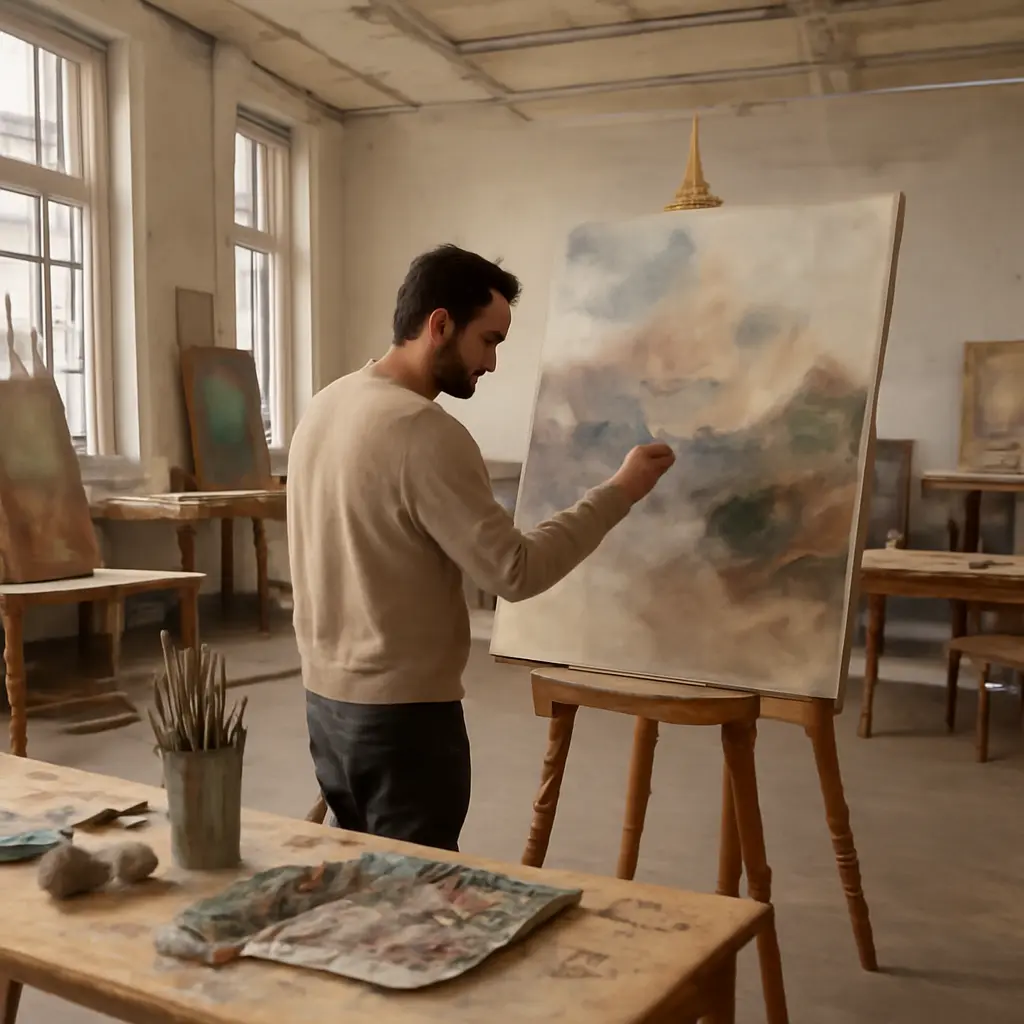
Creative practice is the repeated, deliberate work of making and revising art, writing, music, or other original work. Its “trap” is the belief that practice only counts when it produces…
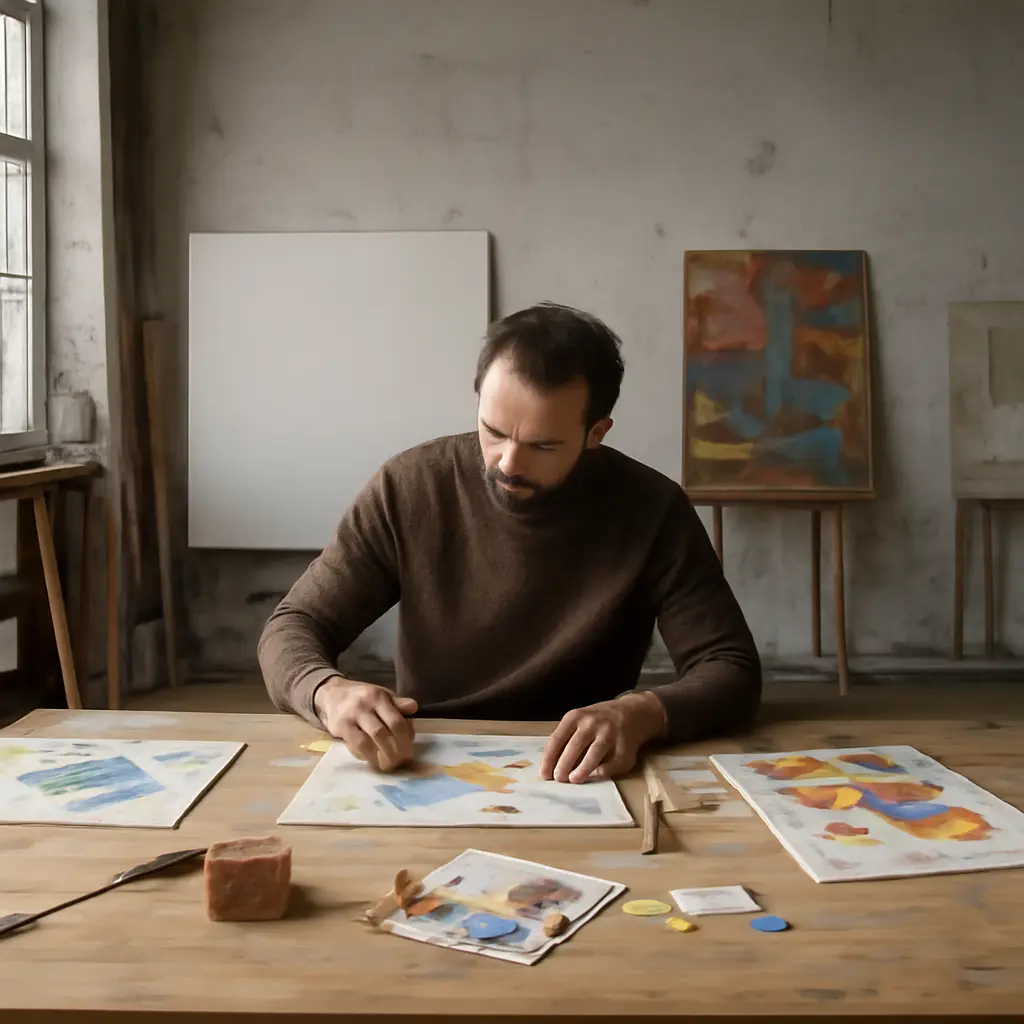
Experimenting with new mediums when nobody is watching is the private practice of trying unfamiliar tools, forms, and techniques before sharing the results. It lets creators learn through low-stakes trials:…
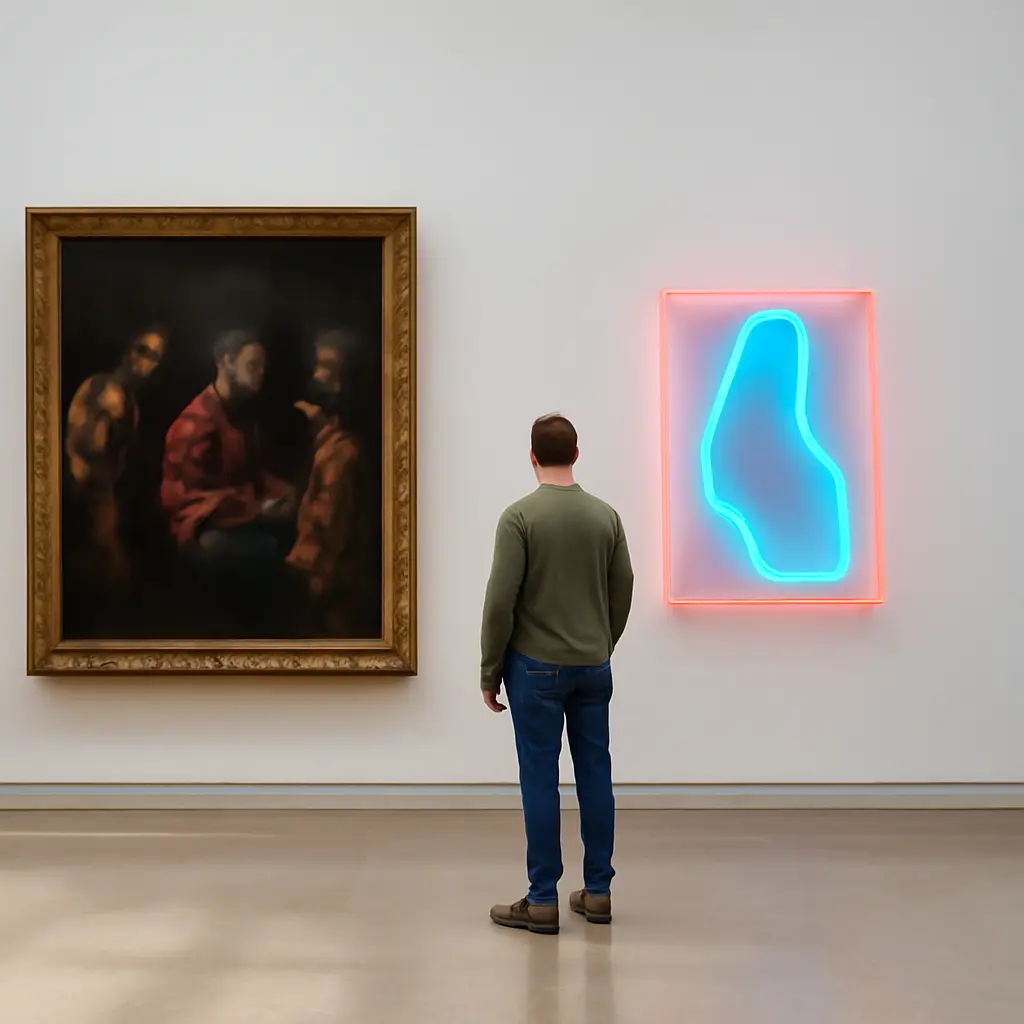
Color is more than decoration: it guides attention, suggests depth, shapes emotion, and reflects the technologies available to artists. From Renaissance chiaroscuro—the modeling of forms through contrasts of light and…

Colour theory is a practical way to choose and combine colours according to how people perceive them, how they relate on a colour wheel, and how they function in context.…